


Dodge Grand Caravan Family Features
The auto industry is filled with vehicles that are designed for families on the go. While some offer a spacious and versatile interior that can carry a lot of passengers and cargo, others can give you the technology and comfort you desire. The key to finding the best family vehicle is to find one that offers all the qualities you’re looking for. A used Dodge Grand Caravan is a perfect choice for your next vehicle because it can give you everything you want and so much more, and it can do so at an affordable price. Keep reading to learn more about many of the family features that are available in the Dodge Grand Caravan.
[Visit Model Review and Research Page: Dodge Grand Caravan]
Dodge Grand Caravan Technology Features
The impressive and very lengthy list of technology features available in the Dodge Grand Caravan includes many favorites that can help keep you connected and entertained while on the road. The high-tech features offered include a rear-seat entertainment system, a Uconnect touchscreen infotainment system, an HDMI input, USB ports, a rearview camera, satellite radio, a driver information center, a navigation system, voice controls, a premium audio system, Bluetooth® phone and audio connectivity, and much more.
[You May Also Like: Honda Odyssey]


Dodge Grand Caravan Comfort Features
The interior of a used Dodge Grand Caravan can be loaded with family features that help keep every passenger comfortable while driving. The impressive list of comfort features and options available in a used Dodge Grand Caravan include remote entry, tri-zone climate control, power windows and locks, second-row captain’s chairs with Stow ‘n Go feature, remote engine start, a power liftgate, leather upholstery, power front seats, heated front seats, a heated steering wheel, ambient interior lighting, second- and third-row sunshades, and many others.

Automatic Transmission vs CVT Comparison
Shopping for a car? You’ve likely come across various models with an automatic transmission, one of many transmission options. The automatic transmission is a common type of transmission found in a large diversity of vehicle models. In addition, you may have seen some vehicles with a CVT. Now, you’re probably wondering what a CVT is. CVT, or Continuously-Variable Transmission, is a newer type of transmission found in modern cars. Like automatic, the CVT does not require a hand off the wheel to operate. So, what’s the difference between an automatic transmission and a CVT? Here, we will compare these two options and note the pros and cons associated with each.
[ READ MORE: Manual vs Automatic Transmissions ]
Automatic Pros and Cons
The automatic transmission is arguably the most popular transmission found in vehicles today. These transmissions are easy to learn and handle as all gear shifts are done in the background automatically, thus increasing safety and convenience. Since automatic transmissions are so popular, it’s easy to find this transmission when shopping for a vehicle. This option is also relatively cheap to replace or repair if something were to happen to it.
The major disadvantage associated with automatic transmissions is fuel efficiency. Compared to CVTs, the automatic transmission will pump out more emissions. Not only is this worse for the environment, but drivers will find themselves spending more at the gas station in order to keep their car filled up on gas.
CVT Pros and Cons

The CVT offers many advantages to drivers. Instead of working with gears, the CVT is gearless. Instead, two pulleys are connected by a flexible belt in order to send engine power to the wheels. This creates a smoother driving experience that many drivers enjoy as any upshifting and downshifting is eliminated. Another benefit provided by CVTs is efficiency. CVTs are great at making the engine run at peak performance without losing fuel. Due to this, CVTs are common in hybrids as well as vehicles powered by 4-cylinder engines.
Of course, many drivers will argue that the CVT is boring due to the lack of upshifting and downshifting, as the shifting of gears can make the vehicle feel more engaging. In addition, as mentioned before, the CVT is a newer type of transmission. While more manufacturers are incorporating CVTs into their vehicles, it’s still not quite as popular as the automatic transmission, making it a bit harder to find. This also contributes to repairs and replacements being a little pricier for vehicles that require it. Finally, vehicles with a CVT will have a loud droning sound while accelerating due to the high speed of the engine.
Still unsure of which transmission is better for you? Contact us at OKCarz and we will help you get an idea on which transmission you like by helping you take one of our high-quality pre-owned vehicles out for a test drive. If you are looking for more interesting and helpful posts like this, read more at the OKCarz blog.
More from OkCarz

What is the Debt Snowball Method?

How to Improve the Lifespan of Your Brakes

What Do I Need to Replace a Flat Tire on My Car?

How to Maximize the Trade-In Value of Your Car
Impressive horsepower and torque ratings help make Nissan Maxima a top choice for used sports sedan
Impressive horsepower and torque ratings help make Nissan Maxima a top choice for used sports sedan
rn By Product Expert | Posted in Nissan Maxima on Friday, July 19th, 2019 at 8:00 amrn

Nissan Maxima Horsepower and Torque Ratings
If you’ve been searching for a sports sedan that can deliver the performance you need on the road without breaking your budget, you’ve just found the perfect vehicle. The Nissan Maxima is a four-door sedan that offers impressive horsepower and torque ratings that help deliver an incredible driving experience on the road. With many powerful engine options over the years, this Nissan sports sedan has become a favorite choice with performance-minded drivers who also need a vehicle that can give them the technology, comfort, passenger space and safety they need. Keep reading to learn more about the engine specs of the Nissan Maxima.
[Visit Model Review and Research Page: Nissan Maxima]
Nissan Maxima Engine Specs
The Nissan Maxima is the flagship sedan of Nissan that is sometimes overlooked by drivers. Its interior quality is incredible, and it offers high-end features at an affordable price. The best thing about the Nissan Maxima is its ability to deliver amazing driving dynamics on the road. Thanks to some powerful engines over the years, the Nissan Maxima has never had a problem with giving you the horsepower and torque ratings needed to have fun behind the wheel.

Underneath the hood of a used Nissan Maxima, you can find a couple of different engines depending on which model year you’re looking at. In older used Nissan Maxima models, you’ll see a 3.5-liter V6 engine that can push out 290 horsepower and 261 lb-ft of torque. Power is sent to the front wheels through a continuously variable transmission (CVT). Newer used Nissan Maxima models receive an updated 3.5-liter VQ V6 engine that features 24 valves and a continuously variable valve timing control system (CVTCS). This powerful engine offers 300 horsepower and 261 lb-ft of torque and features a Drive Mode Selector and Nissan’s Xtronic CVT® transmission with dynamic step shifting, a wider gear ratio, and an adaptive shift controller that help give you a spirited drive without sacrificing fuel efficiency.
[You May Also Like: Nissan Altima Fuel Economy Rating]
More from OkCarz

Drivers are impressed with long list of features and options available in Nissan Maxima sports sedan

Instagram offers drivers a closer look at the Nissan Maxima sports sedan in 6 photos
Games to Play in the Car While on a Road Trip

Fun Road Trip Games for Adults and Kids
While road trips are very fun, you will find yourselves sitting in the car for a very long time. To help keep your passengers occupied, we put together a list of games you should consider playing in the car while on a road trip.
- The Alphabet Game
- I Spy
- Mad Libs
- 20 Questions
- License-Plate Game
- Name that Song
- Would You Rather
- The Quiet Game
[ READ MORE: Tips for Drivers Planning a Road Trip ]

More from OkCarz

What is the Debt Snowball Method?

How to Improve the Lifespan of Your Brakes

What Do I Need to Replace a Flat Tire on My Car?

How to Maximize the Trade-In Value of Your Car
Differences Between LED and Halogen Headlights

Halogen vs LED Headlight Comparison
Taking a drive? Whether you are on the road for a short or long drive, you’ve likely noticed that certain cars have different bulbs. Two of the most common headlight bulbs found in vehicles today are halogen lights and LED lights. How are these different? Is one type better than the other?

rnrn
Halogen Bulbs Pros and Cons
Found in old and new vehicles, halogen bulbs are the most common headlights found today. Halogen bulbs are a type of incandescent lights that function with halogen gas. Vehicles that have a yellow color to their headlights are the ones using halogen bulbs.
What are the pros and cons offered with halogen bulbs? If you are on a budget, you’ll find that replacing a halogen bulb is more affordable than replacing an LED. The yellow light is also a softer light that won’t easily blind other drivers either. So, what’s the drawback to halogen bulbs? Ultimately, it comes down to energy usage. When a halogen bulb runs, it becomes hot to the touch. Since these bulbs emit lots of heat, the bulb requires more energy, thus energy becomes wasted.

LED Bulb Pros and Cons
LED bulbs are the opposite of halogen in many ways. LEDs emit a white light that is brighter than most halogens. This makes seeing things around corners easier and looks much cooler. In addition, LEDs are far more efficient than halogen bulbs. While halogens generate a large amount of heat, the amount of heat created with LEDs is far smaller, helping save energy. Since these bulbs save more energy, you can expect an LED bulb to last longer than a halogen bulb. Thanks to these advantages, LED bulbs are gaining popularity among drivers. Today, LEDs are being offered with most modern vehicles as standard or optional features.
On the flipside, LEDs are more expensive to repair. Not only that, but it is far more complex to replace an LED than it is a halogen bulb, requiring more drivers to have a mechanic do the work for them. Also, since LEDs are brighter, it can be harder on other drivers’ eyes when traveling at night.
[ READ MORE: Differences Between Automatic Transmissions and CVTs ]
Whether you are searching for an affordable vehicle with your desired bulb choice or you don’t have a preference, you can find the car you need here at OKCarz. Don’t believe us? Explore hundreds of high-quality options right on our website. If you need more details about any of our vehicles, contact us and one of our team members will help answer any questions.
More from OkCarz

Should I Buy an SUV or Minivan at OKCarz?

What’s the Difference Between an Automatic Transmission and a CVT?

What are the Differences Between Crossovers and SUVs?

What are the Differences Between Coupes, Sedans, and Hatchbacks?
Where Can I Go Hiking in Central Florida?

Popular Hiking Trails in Central FL
Sick of staying at home? Want to get outdoors? Thankfully, central Florida is filled with beautiful hiking trails for you to get some fresh air and exercise while staying distant from others. Here are a few recommendations you should consider visiting.
[ Popular Parks to Visit in Central Florida ]
*The status of the COVID-19 pandemic is changing daily. Before visiting your desired trail, confirm that the trail will be open. Be sure to stay at least 6 feet away from others and wear a face mask if required by trail management or state laws.

More from OkCarz

Where Can I Go Biking in Central Florida?

Fun Things to Do for Father’s Day 2020

Fun Things to Do with Kids in Tampa, Florida

How to celebrate Mother’s Day in Tampa, FL
How Do I Know if I Need to Get a Wheel Alignment?

Why You Should Get Your Wheels Aligned
Over time, the wheels on your vehicle will become misaligned. This could be due to suspension parts getting worn, running over a pothole, hitting a curb, and many other scenarios. Regardless of why it happens, wheel alignment is maintenance that should be taken seriously as completing the work can help prevent a variety of future problems. So, how do you know if you need to get a wheel alignment? Let’s take a look at some signs that your wheels are misaligned as well as the recommended wheel alignment schedule.
Signs That Your Wheels are Misaligned
Even if you understand the importance of why you need to get your wheels aligned, you need to know which symptoms to watch for. A few common signs that your wheels are misaligned are:
- Your tires wear unevenly
- There is slight or sharp pulling in one direction
- Your steering wheel vibrates
- The steering wheel is crooked/off-center
Recommended Wheel Alignment Schedule

Experts recommend that drivers get their wheels aligned every two or three years. Since tire changes happen roughly every three years for most drivers, you can save yourself a trip to the mechanic by getting your wheels aligned when you replace your tires. If you start noticing any of the above symptoms before this range, you should get your wheels aligned early.
[ READ MORE: When Should I Get My Tires Replaced? ]
Looking for more tips on how to properly maintain your vehicle? Follow the OKCarz blog for more tips and tricks like this! Shopping for an affordable and reliable vehicle? Contact us and we will help you find the vehicle that meets your needs.
More from OkCarz

How to Improve the Lifespan of Your Brakes

What Do I Need to Replace a Flat Tire on My Car?
How to Check Your Tire Tread with a Quarter

How to Properly Maintain Your Car Battery
What are the Differences Between Crossovers and SUVs?
By Product Expert | Posted in Comparisons, FAQs on Monday, May 11th, 2020 at 2:35 pmrn

Crossover vs SUV Comparison
If you have been shopping for a family vehicle lately, yournlikely have heard of crossovers and SUVs. Generally, dealerships group theserntwo types of vehicles together. That raises a certain question for buyers –rnwhat are the differences between crossovers and SUVs? With our crossover vs SUVrncomparison, we will explore some similarities as well as notable differences tornhelp you understand which body type will better suit your driving needs.
[ READ MORE: SedansrnVS Hatchbacks VS Coupes ]
Crossover and SUV Platforms
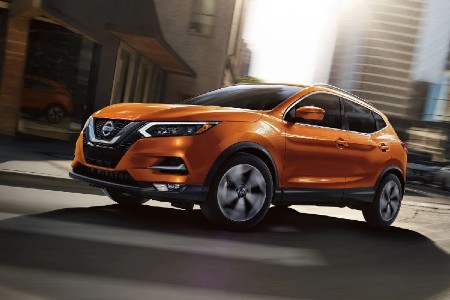
Many car experts will argue that the main difference between crossovers and SUVs is the platform. The platform that crossovers are built from is based on sedans. This is due to the unibody construction that crossovers are given while in production. Meanwhile, SUVs are built off the truck platform, meaning that SUVs are constructed with a body-on-frame design.
Design and Size
Regarding the design, crossovers tend to appear sportier asrnthey resemble sedans more closely. Due to the lighter weight of the crossover,rnthese vehicles also excel with providing better fuel economy and, at times, arnmore affordable price.
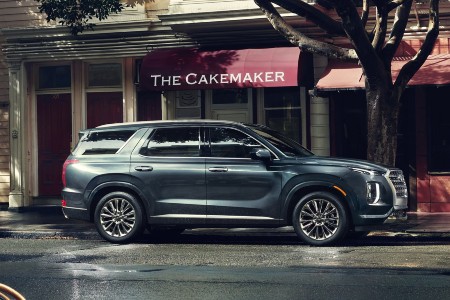
On the other hand, SUVs are built to be more durable. Withrnthe help of the truck platform, SUVs are typically designed to withstand heavyrntowing and hauling weight while also offering more off-road options. Also, SUVsrnhave a tendency to be more spacious than crossovers. Its large size makes itrneasier for big families to travel together and for large items to berntransported. Finally, SUVs also tend to come equipped with stronger engines.
Similarities Between the Crossover and the SUV
Despite the differences, crossovers and SUVs are veryrnsimilar. Both types typically seat at least 5 people, have the cargo arearndirectly behind the rear seats rather than offering a separated trunk, isrnhigher off the ground, and give more space. Due to so many similarities,rncrossovers are sometimes referred to as “compact SUVs” or “subcompact SUVs”. Yournmay even see some models referred to as “crossover SUVs”, combining both names.
Should I Buy a Crossover or an SUV?
You should set your own requirements when deciding whetherrnto buy an SUV or a crossover. If you want to save some money and don’t need arnvery large vehicle, a crossover may be the way to go. If you need more space,rnpower, and off-road capabilities, consider shopping for an SUV.
[ Shop for a Used Vehicle at OkCarzrn]
Need more help finding the right vehicle for you? Contact us at OkCarz and we will bernhappy to offer some recommendations.
More from OkCarz

How Does the Anti-Lock Braking System Work?

What is the Debt Snowball Method?

When Should I Buy a Different Vehicle?

What’s the Difference Between a Sunroof and a Moonroof?
What to Do if Your Engine Starts to Overheat

Reasons Why Your Engine Could Be Overheating
The engine is the heart of every vehicle. Your vehicle can’t run without this piece of machinery and replacing or repairing it is very expensive. Therefore, an overheating engine should always be taken very seriously. While this issue shouldn’t happen at all, there are many things that could cause an engine to overheat. You also need to be prepared to know what to do if your engine starts to overheat in order to prevent any further damage.
[ Summer Vehicle Maintenance Checklist ]
Signs of an Overheating Engine
Sometimes, knowing your engine is overheating is obvious. Other times, not so much. Here are a few signs you should watch for:
- The temperature gauge entering the red or spiking at “H”
- Steam coming from underneath the hood
- An odd smell coming from your engine
What You Should Do if Your Engine Overheats While Driving

Whether you are driving on the highway or you are simply five minutes from home, every minute matters. As soon as you realize that your engine is overheating, do the following:
- Turn off the A/C and crank the heat. This will be uncomfortable for you, but this will pull some of the heat away from your engine.
- Pull over to a safe location.
- Turn off the engine and let the engine cool for at least 15 minutes.
- While you wait, get help on the way. Call a towing company, family member, or close friend to let them know of the situation and to come help you.
If this ever happens to you, the most important thing to remember is that you should not panic. With that said, you should never drive while the engine is overheating as this can cause damage and even complete engine failure. Always allow the engine to cool before opening the hood, as this will help protect you from getting burned due to the steam or heat. Finally, never let this problem linger as the issue will only get worse.
Things That Can Cause an Engine to Overheat
Sometimes, the issue can be resolved by simply topping off some fluids. In other cases, parts need to be replaced in order to prevent the issue from happening again. Here’s a list of common things that can cause an engine to overheat.
- Low coolant levels
- Leaking hoses or coolant reservoir
- Malfunctioning or stuck thermostat
- Low oil level
Searching for more ways to take care of your vehicle? Follow the OKCarz blog for everything automotive! Are you in the market for an affordable and reliable car? Explore our inventory right on our website.
More from OkCarz

How to Improve the Lifespan of Your Brakes

What Do I Need to Replace a Flat Tire on My Car?

How to Check Your Tire Tread with a Quarter

How to Properly Maintain Your Car Battery
What are the Signs of a Failing Transmission?

Warning Signs of a Transmission Going Bad in a Car
The transmission is a vital component of every vehicle. Like the engine, this piece of machinery is required for the car to run and is very expensive to replace. Therefore, it’s important to spot the signs of a failing transmission so that you can minimize repair costs and avoid the headache of getting stranded after it fails completely. Here are a few common warning signs to watch for.
[ READ MORE: Signs of a Bad Air Filter in Your Car ]
Leaking Transmission Fluid
To help reduce damage due to friction, keep the gears cool, and facilitate gear shifts, your transmission will use transmission fluid. If the fluid level gets too low due to a leak, you will need to get the leak repaired and your transmission fluid topped off. You can check if you have a leak by looking for a red fluid underneath your vehicle.
Burnt Transmission Fluid
Similar to oil, transmission fluid will break down eventually. Fresh transmission fluid should be a clear red or brown in color. If the transmission fluid is burnt, it will be dark, thick, and may even have a sweet burning smell. Thankfully, though, transmission fluid doesn’t need to be changed very often, so if you do get a change, you won’t need to for a long time.
Struggles to Change Gears
Trying to change gears but the gear just doesn’t seem to want to shift? If shifting is rough or delayed, you need to get your transmission checked out right away.
Gears are Slipping

This sign is very noticeable and dangerous. Gears should always be locked into place unless you are changing them. When gears slip, it may feel as if your vehicle isn’t moving even though it is getting the gas it needs to move. Trying to accelerate and noticing a delay is also a serious sign.
In addition to the symptoms above, always be on the lookout for strange noises like humming or grinding. Sometimes, your car will also tell you something is wrong with the ‘check engine light’. Regardless, you should always take the possibility of a failing transmission seriously and seek help immediately.
[ READ MORE: What to Do If Your Engine Overheats ]
For more helpful posts like this, follow the OKCarz blog. Need to buy a different car If you need a vehicle that is both affordable and reliable, you can find the perfect match with us. Browse hundreds of options with our online inventory to get started.
More from OkCarz

How Does the Anti-Lock Braking System Work?

What is the Debt Snowball Method?

How to Improve the Lifespan of Your Brakes

How to Tell if Your Power Steering Pump is Failing
Connect with us

